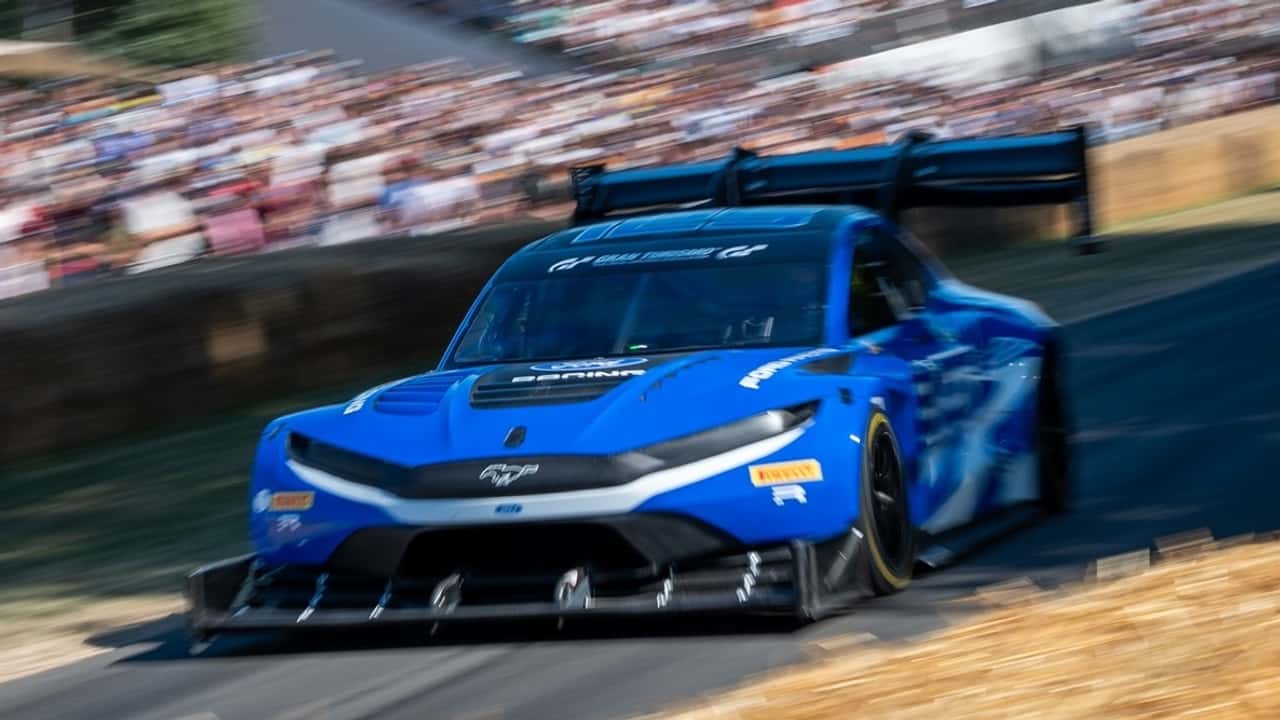
Goodwood's Electric Revelation: How a Ford Track Car Silenced the Competition
The roar of internal combustion engines has long been the soundtrack to the Goodwood Festival of Speed. For decades, this hallowed hill climb has been the ultimate proving ground for the fastest, most exotic, and most technologically advanced machines the automotive world could conjure. From vintage F1 cars to cutting-edge hypercars, the serpentine tarmac leading up to Goodwood House has witnessed countless legendary runs, each etched into the annals of speed. This year, however, something fundamentally shifted, sending a clear, electrifying message about the future of performance.
As the dust settled on another exhilarating Festival, the official list of the ten fastest cars to conquer the iconic 1.16-mile hill climb dropped, and one name stood head and shoulders above the rest, quite literally leaving its combustion-powered rivals in its silent, high-voltage wake. Ford’s audacious electric track car, a heavily modified beast based on the Mustang Mach-E platform, didn't just win; it annihilated the competition. This wasn't merely a victory; it was a profound statement, a seismic shift confirming that the electric revolution isn't just coming for our daily drivers, but for the very pinnacle of track-focused speed.
Beneath its aggressively sculpted, aerodynamic bodywork, this Mach-E-based electric monster is a masterclass in modern powertrain engineering. Imagine a multi-motor setup delivering upwards of 1,400 horsepower, instantly accessible with the mere flex of a foot. The sheer, unadulterated torque, available from zero RPM, propels the car with a ferocity that traditional engines, even those with turbochargers and superchargers, simply cannot match off the line. Coupled with advanced torque vectoring capabilities, which precisely manage power delivery to each wheel, and a bespoke suspension tuned for maximum grip, the car scythes through Goodwood’s tight corners and rapid straights with an almost otherworldly precision and acceleration. It’s a testament to how electric propulsion, freed from the constraints of gearboxes and engine revs, can redefine outright speed.
This epochal performance at Goodwood isn't just a win for Ford; it's a stark indicator of the direction the high-performance automotive industry is heading. For years, petrolheads have clung to the visceral appeal of a screaming V8 or a wailing V12, equating noise and vibration with true speed. Goodwood, in its purest form, has always celebrated this. Yet, the silent, relentless charge of this electric Ford challenges that very notion. It forces us to confront a future where the fastest cars might not announce their arrival with a thunderous roar, but with a whisper of tire on tarmac, leaving nothing but broken lap records in their wake. It’s a compelling argument for the efficacy of electric power, even if it might take some getting used to for the traditionalist.
While the electric Ford undeniably stole the show at the very top, the remainder of the top ten fastest cars at Goodwood this year still offered a mesmerizing glimpse into the diverse world of speed. From hyper-focused track specialists boasting hybrid powertrains to lightweight, naturally aspirated marvels pushing the boundaries of internal combustion, Goodwood remained a vibrant tapestry of automotive excellence. These machines, each a marvel in its own right, underscored the enduring appeal and engineering brilliance across the entire spectrum of automotive propulsion, ensuring that the Festival of Speed continues to be a captivating spectacle for every kind of enthusiast.
Ultimately, this year's Goodwood Festival of Speed will be remembered as a pivotal moment, a clear marker in the transition of automotive performance. The electric Ford track car's dominant victory wasn't just about a faster time; it was about demonstrating the undeniable potential of electric powertrains at the absolute limit. It signals a new era where innovation in electrification will increasingly define what it means to be fast. As we look to future Goodwood events, the battle for hill climb supremacy will undoubtedly intensify, with electric machines pushing the boundaries further, forcing combustion engines to evolve or perhaps, gracefully cede the crown. The future of speed is here, and it’s electrifying.