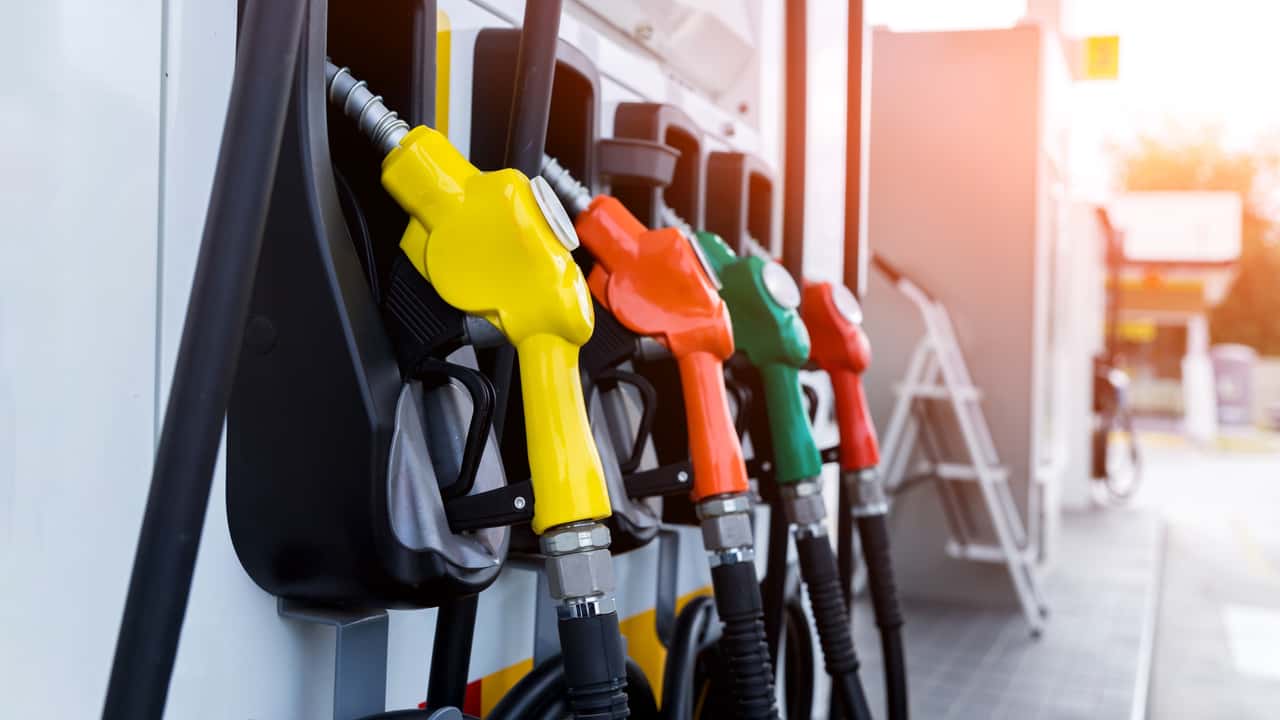
The Octane Exodus: High Prices Push US Drivers Away From Premium Fuel
The rumble of a finely tuned engine, the smell of high-octane fuel – for many enthusiasts, these are the hallmarks of a premium driving experience. Yet, as fuel prices continue their relentless climb across the United States, a quiet revolution is taking place at the pumps. Drivers, once loyal to the highest octane, are increasingly making a pragmatic, albeit perhaps reluctant, shift. The allure of premium gas, often seen as a badge of performance and care for one's vehicle, is being overshadowed by the harsh reality of soaring expenses. What was once a simple choice has become a complex calculation of cost versus perceived benefit.
This shift isn't merely anecdotal; it's a widespread trend. For a significant portion of the driving public, the question "Can my car run on regular?" has moved from a speculative thought to a pressing concern. Automakers often specify "premium recommended" or "premium required" for their higher-performance models. The critical distinction lies in those two words. If a vehicle *requires* premium, using regular can lead to immediate issues. However, if it merely *recommends* it, modern engine management systems are incredibly sophisticated, designed to adapt. This adaptability is the lifeline many drivers are now clutching, hoping to shave dollars off each fill-up without sacrificing their beloved machines.
At the heart of this discussion lies the octane rating – not a measure of energy content, but rather a fuel's resistance to pre-ignition, or "knocking." Higher octane fuels burn more predictably under compression, which is crucial for high-performance engines featuring higher compression ratios or forced induction (turbochargers/superchargers). These engines are designed to extract maximum power and efficiency by precisely controlling the combustion event. When a premium-recommended engine is fed regular fuel, its sophisticated Engine Control Unit (ECU) relies on knock sensors to detect the onset of pre-ignition. The ECU then retards ignition timing, effectively delaying the spark to prevent damage. While this prevents catastrophic failure, it invariably leads to a reduction in horsepower, torque, and often, fuel economy. You're saving money at the pump, but potentially paying for it in diminished performance and slightly worse mileage.
The economic ripple effect of this fuel-grade migration is substantial. For an average tank, the difference between regular and premium can range from $0.50 to $1.00 per gallon. Over a 15-gallon tank, that's a $7.50 to $15 saving per fill-up. Multiply that by weekly fill-ups over a year, and the savings become significant enough to impact household budgets. This trend also presents a challenge for dealerships and manufacturers who market performance vehicles; the perceived cost of ownership, including fuel, becomes a more prominent factor. Furthermore, the shift in demand could influence refinery production, potentially leading to adjustments in the supply of various fuel grades, though this is a longer-term, more complex market dynamic.
This isn't the first time economic pressures have influenced driver behavior at the pump. Past fuel crises have seen similar shifts, albeit often more drastic and driven by scarcity rather than just price. What makes this current trend particularly interesting is the resilience of modern engines. Decades ago, misfuelling could lead to severe engine damage. Today, advanced electronics act as a safety net. Looking ahead, while the automotive industry is undeniably moving towards electrification, internal combustion engines will remain dominant for years to come. The question is whether this "octane opt-out" becomes a permanent fixture of the driving landscape, even as prices stabilize. Will drivers who've experienced the savings be willing to return to premium, or will they continue to prioritize cost-efficiency, confident in their car's ability to adapt?
For the true car enthusiast, the decision to downgrade fuel can feel like a compromise, a small concession to the realities of the economy. The crisp throttle response, the full surge of power – these are often subtly dulled when an engine designed for premium is fed regular. While modern engineering has provided an impressive buffer against engine damage, it hasn't eliminated the trade-offs. This phenomenon underscores a fascinating intersection of technology, economics, and consumer behavior. It's a testament to both the robustness of contemporary automotive design and the enduring human desire to find value, even if it means momentarily dimming the sparkle of a premium driving experience. The road ahead, it seems, will be traveled on a slightly lower octane for many.