Le Changement Radical du Groupe VW : Jetta et Taycan Parmi 10 Modèles Menacés de Disparition
Whispers from the hallowed halls of Wolfsburg have turned into a resounding roar: the Volkswagen Group is reportedly gearing up for a radical purge of its model lineup. The latest intelligence suggests a dramatic streamlining effort that could see as many as ten distinct nameplates facing the chopping block. While the elimination of slow-selling, niche models is hardly surprising in today's fiercely competitive landscape, the alleged inclusion of both the venerable Volkswagen Jetta and, perhaps more shockingly, the high-tech Porsche Taycan, sends ripples through the automotive world. This isn't just about cutting fat; it's a fundamental reshaping of one of the industry's largest and most influential players, signaling a decisive pivot towards a leaner, electrified, and more focused future.
The rationale behind such an aggressive strategy is multifaceted, deeply rooted in the seismic shifts currently redefining the automotive industry. With unprecedented investments required for electric vehicle development, advanced software integration, and autonomous driving technologies, every major OEM is under immense pressure to optimize resources. For the VW Group, a conglomerate boasting a bewildering array of brands and models, the imperative to rationalize its portfolio is paramount. This move aligns with broader corporate goals to enhance profitability, reduce complexity, and accelerate the transition to electric mobility, freeing up crucial capital and engineering talent to focus on next-generation platforms like the Scalable Systems Platform (SSP) and advanced battery technologies. It’s a bold, albeit painful, acknowledgment that the old ways of sprawling model ranges are no longer sustainable.
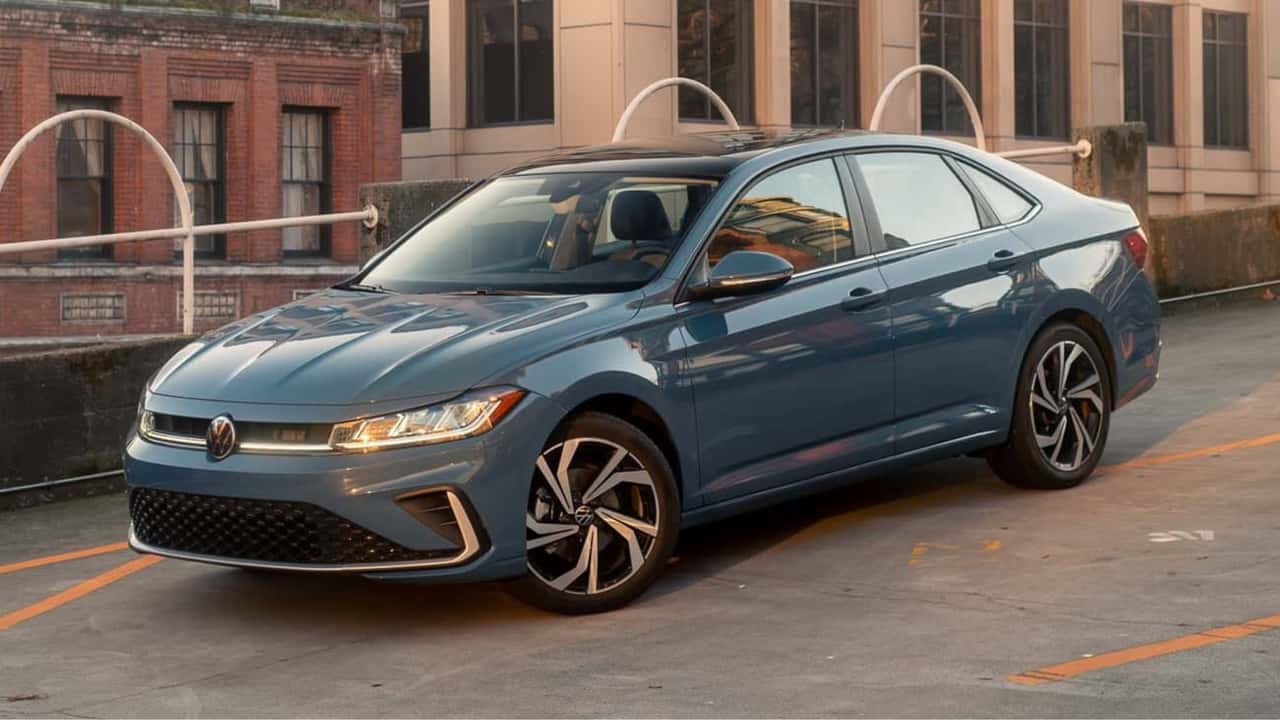
For decades, the Volkswagen Jetta has been a silent workhorse, especially in the North American market. From its humble beginnings as a Golf-derived sedan to its evolution into a standalone, value-driven compact, the Jetta has consistently offered reliable, no-nonsense transportation. Its alleged demise, however, is hardly unexpected when viewed through the lens of current market trends. The relentless ascent of SUVs and crossovers has decimated the traditional sedan segment globally. Consumers, particularly in the crucial U.S. market, have overwhelmingly gravitated towards higher-riding, more versatile vehicles. With Volkswagen's own successful SUV lineup (Tiguan, Atlas, Taos) and a growing commitment to its ID. family of electric vehicles, the business case for a conventional compact sedan, even one as historically significant as the Jetta, has become increasingly tenuous. It’s a bittersweet farewell to an icon that simply couldn’t outrun the tide.
Perhaps the most startling revelation, however, is the alleged inclusion of the Porsche Taycan on the list. Launched to widespread critical acclaim, the Taycan redefined what an electric performance car could be, blending Porsche's legendary driving dynamics with cutting-edge EV technology. It's a halo car, a technological tour de force, and a strong seller. So, why would Porsche consider axing such a success? The answer likely lies not in its performance or appeal, but in platform strategy and future product planning. The current Taycan rides on the bespoke J1 platform. As the VW Group moves towards consolidating its EV architectures onto more scalable and cost-efficient platforms like the Premium Platform Electric (PPE) – which will underpin the next-gen Macan EV and potentially a future electric Panamera – the J1 platform might be deemed redundant. It’s plausible that the Taycan, in its current iteration, will be superseded by a successor built on a shared platform, or its role absorbed by an electric Panamera that offers similar performance with broader appeal, making the current model a casualty of technological evolution rather than market failure.
The implications for the broader VW Group are profound. Beyond the Jetta and Taycan, speculation naturally turns to other potential candidates for the axe. We could see the pruning of niche models, slow-selling internal combustion engine (ICE) variants that don't fit the future electric vision, or even models with significant internal overlap across brands. This strategic culling is about more than just cost-cutting; it's about sharpening brand identities, reducing engineering redundancy, and ensuring every model earns its place in a future dominated by electric propulsion and software-defined experiences. Each brand within the immense VW Group empire – from Skoda and Seat/Cupra to Audi and Lamborghini – will likely face scrutiny, pushing them towards clearer differentiation and greater efficiency.
In essence, these alleged cuts represent a pragmatic, albeit painful, response to an industry in flux. The era of offering a car for every conceivable niche is rapidly drawing to a close. As the Volkswagen Group navigates the treacherous waters of electrification and digitalization, these strategic decisions, however difficult, are deemed necessary for long-term survival and leadership. While enthusiasts may mourn the departure of beloved nameplates like the Jetta, and marvel at the potential metamorphosis of groundbreaking models like the Taycan, this bold move underscores a crucial truth: the automotive world is evolving at an unprecedented pace, and only the most agile and strategically focused players will thrive in the electrified future.